Get Started in Simple Steps to
Personalize Your Experience
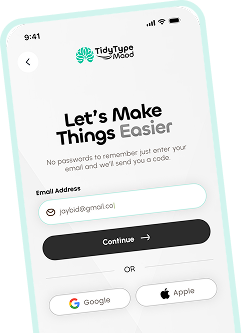
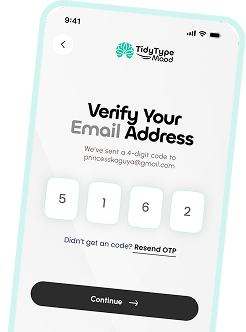
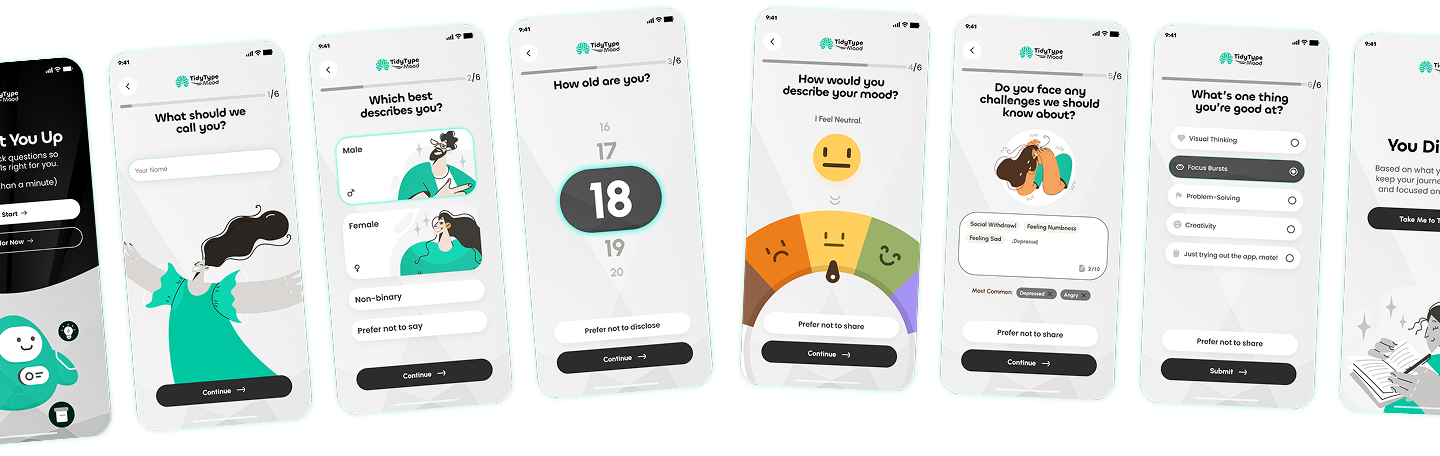
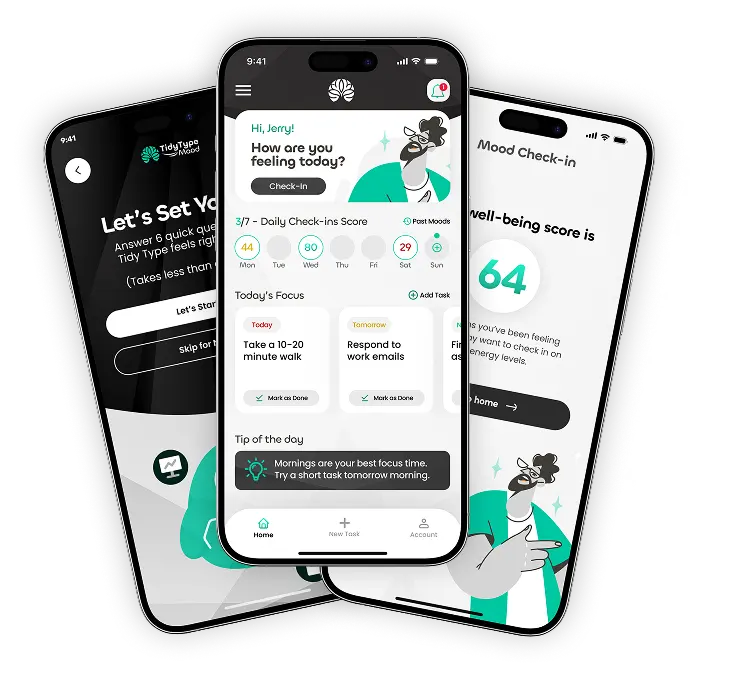
Answer a few quick questions about your ADHD experience. This helps us tailor
reminders, insights, and features to your unique needs.
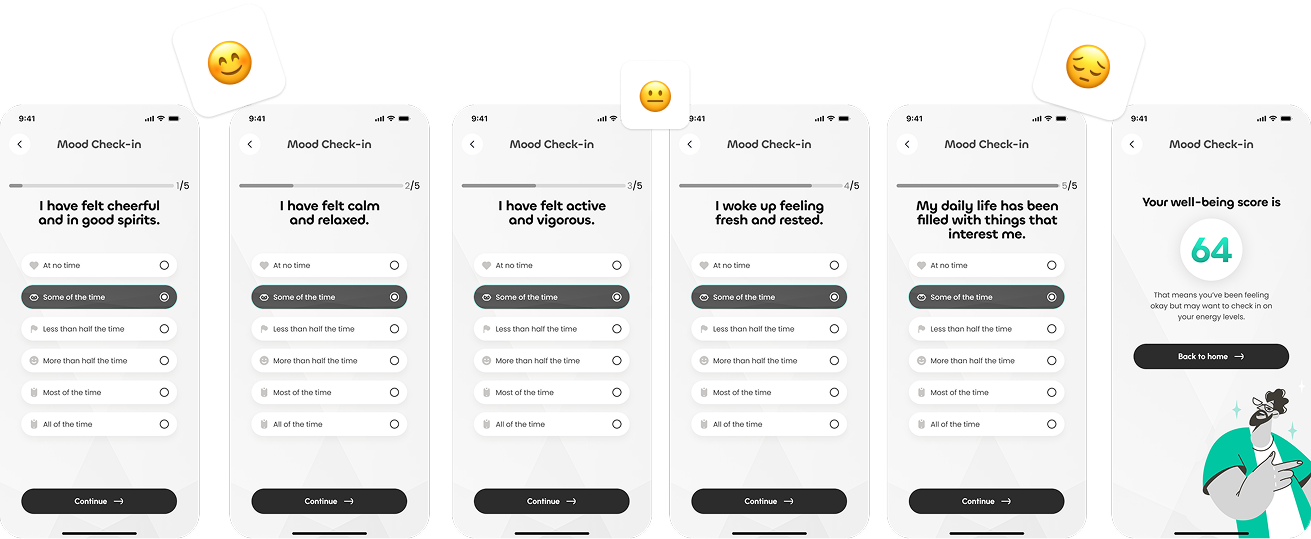
Start Your First Check-In
Take 3 seconds to log how you’re feeling. That’s it—you’ve started your ADHD
management journey. From here, the app adapts to support you every day.
How ADHD Really Works
ADHD Is Not a Motivation Problem
People with ADHD don’t struggle because they “don’t care enough.” ADHD is linked to how the brain regulates motivation, dopamine, and task initiation. This is why starting tasks can feel harder than finishing them — even when something is important or interesting.
Emotions Strongly Affect Focus in ADHD
ADHD is deeply connected to emotional regulation. Mood, stress, and energy levels directly influence attention, memory, and productivity. When emotions are ignored, focus becomes harder. When emotions are understood, work becomes more manageable.

Small Tasks Work Better for the ADHD Brain
Large tasks and long to-do lists can overwhelm the ADHD nervous system. Research shows that breaking work into smaller, clearer steps reduces avoidance, anxiety, and decision fatigue — making it easier to begin and continue.
ADHD Support Works Best When It’s Flexible
There is no single “right” way to manage ADHD. What works one day may not work the next — and that’s normal. The most effective ADHD strategies adapt to real life, changing moods, and personal boundaries.
Daily Routine
Your Daily Flow with TidyType Mood
Morning Check-In
Start your day by logging your current energy and mood. The app suggests 1-3 achievable tasks based on how you're feeling.
Focus Blocks
When ready, start a focus timer. Work in manageable bursts, take breaks, and celebrate completion—no matter how short.
Gentle Nudges
Throughout your day, receive kind reminders for hydration, movement, and self-care—customized to your preferences.
Evening Reflection
Optional evening check-in to track mood patterns. Review your wins for the day, no matter how small.
Evidence-Based
The Science Behind Our Approach
Why Mood Tracking Helps ADHD
Research shows that ADHD individuals benefit from increased self-awareness of emotional states. Mood tracking helps identify patterns between emotional regulation and executive function performance.
Task Breakdown & ADHD
Breaking large tasks into smaller steps reduces overwhelm and improves task initiation—two common ADHD challenges. This approach leverages the “Swiss Cheese Method” adapted for neurodivergent minds.
Modified Pomodoro for ADHD
Traditional pomodoro timers use rigid 25-minute intervals that don’t match ADHD attention spans. Our flexible focus blocks (5-30 minutes) align with research on ADHD-specific concentration patterns.
Positive Reinforcement
ADHD brains respond exceptionally well to immediate, positive feedback. Our celebration of every small win activates dopamine pathways, reinforcing productive behaviors naturally.
“Immediate positive reinforcement enhances ADHD motivation” – Behavioral Neuroscience, 2022